Introduction
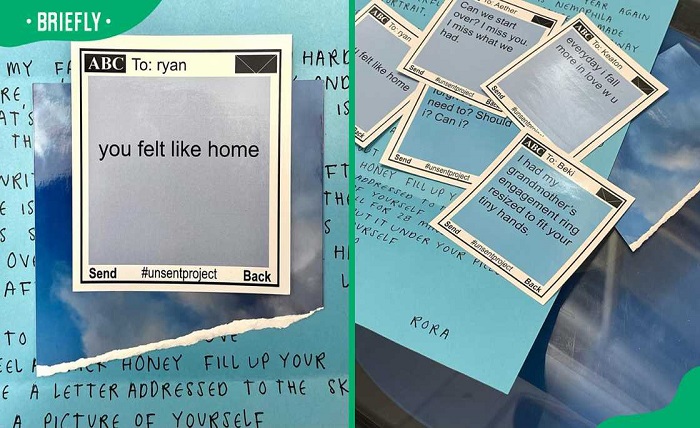
the unsent project is a unique digital archive where people submit anonymous messages they never sent to their first loves. the unsent project has grown into a massive emotional collection that reflects heartbreak, longing, healing, and memory from people around the world. the unsent project is not just a website but a cultural mirror showing how deeply humans feel about love and unfinished emotional conversations.
the unsent project allows users to write messages addressed to people from their past without ever revealing their identity. the unsent project transforms private emotions into public art, giving voice to feelings that were never expressed in real life. the unsent project has become especially popular among younger audiences who use it as a form of emotional release and reflection.
the unsent project stands out because it focuses on vulnerability rather than interaction. the unsent project does not require replies or conversations, which makes it different from traditional social media platforms. the unsent project creates a safe emotional space where silence becomes meaningful communication.
Origins and creation of the unsent project
the unsent project was created as a digital art experiment that explores human emotion through anonymous expression. the unsent project began as a simple idea: collect unsent messages to first loves and display them publicly as part of a shared emotional archive. the unsent project quickly evolved into a large-scale emotional database filled with thousands of personal stories.
the unsent project was designed to answer a question: what would people say if they could speak to their past without consequences? the unsent project captures those hidden thoughts and turns them into a form of storytelling. the unsent project became viral because it resonated with universal experiences of love, regret, and closure.
the unsent project continues to grow as more people contribute messages daily. the unsent project has no strict limitations on length or tone, which allows users to express themselves freely. the unsent project has also inspired similar platforms focused on anonymous emotional expression and digital art storytelling.
How the unsent project works
the unsent project works by allowing users to submit anonymous text messages through a simple interface. the unsent project typically asks users to write a message addressed to their first love or someone they never properly expressed their feelings to. the unsent project then stores these messages in a searchable and often color-coded archive.
the unsent project often includes features where messages are tagged by emotion or color, representing different moods such as sadness, nostalgia, anger, or hope. the unsent project organizes these messages visually, making the archive feel like an emotional gallery. the unsent project does not reveal user identities, ensuring complete anonymity.
the unsent project also allows viewers to explore messages submitted by others. the unsent project creates a sense of shared emotional experience where strangers connect through similar feelings. the unsent project is often described as both therapeutic and artistic because it turns private pain into collective expression.
Emotional impact of the unsent project
the unsent project has a powerful emotional impact on both contributors and readers. the unsent project gives people a space to release feelings they may have carried for years. the unsent project often includes messages of regret, love, apology, and unresolved closure.
the unsent project helps individuals process emotional experiences by externalizing them. the unsent project acts as a form of digital therapy for some users, even though it is not a medical platform. the unsent project shows how shared vulnerability can reduce emotional isolation.
the unsent project also affects readers who may relate to the messages they encounter. the unsent project often triggers memories of past relationships and personal experiences. the unsent project builds emotional empathy by showing how similar human experiences are across different backgrounds.
Digital storytelling in the unsent project
the unsent project represents a new form of digital storytelling where emotions replace traditional narratives. the unsent project turns short messages into powerful micro-stories that capture deep emotional moments. the unsent project demonstrates how minimal text can still carry significant meaning.
the unsent project uses anonymity as a storytelling tool. the unsent project removes identity so that only emotion and message remain. the unsent project allows stories to be universal rather than personal in a traditional sense.
the unsent project also highlights the evolution of internet culture. the unsent project shows how people use digital platforms not only for communication but also for emotional expression and reflection. the unsent project continues to influence creative writing, online art, and emotional journaling trends.
Privacy, anonymity, and ethics in the unsent project
the unsent project places strong emphasis on privacy and anonymity. the unsent project ensures that no personal data is attached to submitted messages. the unsent project is built on trust, allowing users to share deeply personal thoughts without fear of exposure.
the unsent project raises interesting ethical questions about emotional sharing. the unsent project collects real human feelings, but it does not verify context or accuracy. the unsent project therefore becomes an open emotional space where interpretation is subjective.
the unsent project also demonstrates how anonymity can encourage honesty. the unsent project allows users to express emotions they might otherwise suppress in real life. the unsent project shows that privacy can sometimes lead to more authentic emotional expression.
Cultural influence and online communities around the unsent project
the unsent project has influenced online culture by popularizing anonymous emotional sharing. the unsent project has inspired communities on social media platforms where users share screenshots of meaningful messages. the unsent project has become a reference point for digital emotional expression.
the unsent project also plays a role in shaping modern discussions about relationships and mental health. the unsent project highlights how people process love and loss in the digital age. the unsent project encourages open conversations about feelings that are often left unspoken.
the unsent project continues to grow as part of internet culture, blending art, emotion, and technology. the unsent project is frequently discussed in creative and psychological contexts. the unsent project represents how digital spaces can become emotional archives for an entire generation.
Conclusion
the unsent project stands as a powerful example of how digital platforms can transform private emotions into shared experiences. the unsent project connects people through anonymous messages that reflect love, regret, and healing. the unsent project continues to grow as a cultural archive of human emotion in the digital age.
the unsent project shows that even unsent words can have meaning and impact when shared with others. the unsent project ultimately proves that silence itself can be a form of storytelling when given a space to exist.
FAQs
1. What is the unsent project?
the unsent project is an online platform where people submit anonymous messages they never sent to their first loves or important people in their lives.
2. Who created the unsent project?
the unsent project was created as a digital art and emotional storytelling project focused on anonymous expression of feelings.
3. Why is the unsent project popular?
the unsent project is popular because it allows people to share deep emotions anonymously and connect with similar experiences worldwide.
4. Is the unsent project really anonymous?
the unsent project is designed to keep all submissions anonymous, with no personal identification attached to messages.
5. What kind of messages are shared on the unsent project?
the unsent project includes messages about love, heartbreak, regret, apology, and emotional closure.