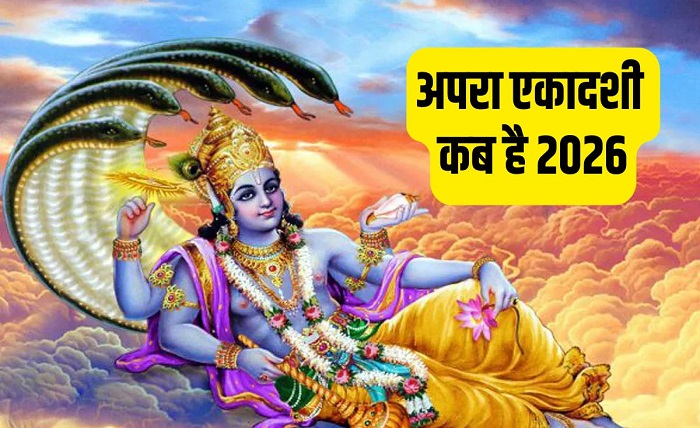
gyaras kab hai is a common question asked by people who follow Hindu fasting traditions and want to know the exact timing of Ekadashi fasting days. In simple terms, gyaras kab hai refers to the 11th lunar day of each Hindu month, which is considered spiritually important for fasting and devotion.
gyaras kab hai is not just about a date on the calendar, but it also carries religious and cultural importance. People observe this day with fasting, prayers, and temple visits to seek blessings and spiritual peace. In many households, elders regularly check gyaras kab hai to plan their fasting schedule.
gyaras kab hai is based on the Hindu lunar calendar, which changes every month, making it necessary to check updated calendars or Panchang details. Unlike fixed Gregorian dates, gyaras kab hai shifts depending on moon cycles, making it dynamic and spiritually meaningful.
What is gyaras kab hai and Its Meaning
gyaras kab hai refers to the 11th day of the lunar fortnight in the Hindu calendar, also known as Ekadashi. This day is divided into Shukla Paksha (waxing moon) and Krishna Paksha (waning moon), meaning gyaras kab hai occurs twice every month.
gyaras kab hai literally means “when is the eleventh day,” and it is widely used in North India to refer to Ekadashi fasting dates. Devotees often ask gyaras kab hai to prepare for fasting and religious activities in advance.
gyaras kab hai is deeply connected with Hindu spirituality, where the day is dedicated to Lord Vishnu. People believe that observing gyaras kab hai brings peace of mind, spiritual growth, and relief from past karmas.
Importance of gyaras kab hai in Hindu Culture
gyaras kab hai holds strong cultural importance because it is associated with devotion, discipline, and purification of the mind and body. Many followers consider gyaras kab hai one of the most powerful fasting days in Hindu tradition.
gyaras kab hai is important because it encourages self-control and spiritual focus. On this day, people avoid grains, rice, and heavy foods and instead consume fruits, milk, and light meals depending on their fasting rules.
gyaras kab hai is also believed to help in maintaining good health, as fasting gives the digestive system rest. Spiritually, gyaras kab hai is seen as a way to connect with higher consciousness and reduce negativity in life.
How gyaras kab hai Dates Are Calculated
gyaras kab hai is calculated based on the lunar cycle of the moon, not the solar calendar. The Hindu Panchang tracks the movement of the moon to determine when gyaras kab hai occurs each month.
gyaras kab hai happens twice in a lunar month: once during the bright half of the moon and once during the dark half. These are called Shukla Ekadashi and Krishna Ekadashi respectively.
gyaras kab hai can vary from region to region because different traditions may follow slightly different timings based on sunrise and local Panchang calculations. This is why people often check updated calendars to confirm gyaras kab hai.
gyaras kab hai does not fall on the same Gregorian date every month, which makes it necessary to track it regularly through religious apps, temple announcements, or almanacs.
Upcoming gyaras kab hai and Monthly Variations
gyaras kab hai changes every month, and devotees usually keep track of upcoming dates to prepare for fasting and rituals. Since gyaras kab hai is based on lunar movement, it shifts approximately every 14–15 days.
gyaras kab hai in each month is considered unique, with some Ekadashi days having special names and significance such as Nirjala Ekadashi, Dev Uthani Ekadashi, and Mokshada Ekadashi. Each gyaras kab hai carries different spiritual benefits.
gyaras kab hai is especially important during festival seasons when many devotees observe strict fasting. Temples often announce gyaras kab hai timings so devotees can participate in group prayers.
gyaras kab hai can also differ slightly depending on geographical location and sunrise timings, so it is always recommended to verify gyaras kab hai using a trusted Panchang or religious calendar app.
Rituals and Practices of gyaras kab hai
gyaras kab hai fasting rituals usually begin at sunrise and continue until the next sunrise or specific breaking time. Devotees observe strict discipline during gyaras kab hai to maintain spiritual purity.
gyaras kab hai rituals include waking up early, taking a holy bath, and offering prayers to Lord Vishnu. Many people read scriptures and chant mantras throughout gyaras kab hai to enhance spiritual focus.
gyaras kab hai fasting rules vary from person to person. Some people observe complete fast without food or water, while others follow partial fasting with fruits and milk.
gyaras kab hai also involves avoiding negative actions such as anger, gossip, or dishonesty. The goal of gyaras kab hai is not only physical fasting but also mental and emotional cleansing.
Spiritual and Health Benefits of gyaras kab hai
gyaras kab hai is believed to bring spiritual benefits such as peace of mind, improved focus, and connection with divine energy. Many devotees feel mentally refreshed after observing gyaras kab hai regularly.
gyaras kab hai also offers health benefits because fasting helps detoxify the body and improves digestion. By reducing heavy food intake, gyaras kab hai gives the body time to rest and recover.
gyaras kab hai is also associated with discipline and self-control. Regular observance of gyaras kab hai helps people develop healthier eating habits and mental strength.
gyaras kab hai is considered beneficial for emotional balance as well, since meditation and prayer during fasting help reduce stress and anxiety.
Modern Relevance of gyaras kab hai in Today’s Lifestyle
gyaras kab hai is still widely followed in modern times, even among busy professionals, because it can be adapted to flexible fasting styles. Many people now follow simple or partial fasting during gyaras kab hai.
gyaras kab hai has also become easier to track using mobile apps and online calendars, making it accessible for younger generations who want to stay connected to tradition.
gyaras kab hai is often observed not just for religious reasons but also for wellness and lifestyle balance. Intermittent fasting trends in modern health culture are similar in concept to gyaras kab hai practices.
gyaras kab hai continues to remain relevant because it combines spirituality, health, and discipline in a simple yet powerful way.
Conclusion
gyaras kab hai is more than just a date; it is a meaningful spiritual practice followed by millions of people. It connects tradition, discipline, and devotion in one observance.
gyaras kab hai helps individuals maintain physical health through fasting while also encouraging mental peace and spiritual growth. Its importance remains strong across generations.
gyaras kab hai will continue to be an essential part of Hindu culture because it adapts to modern lifestyles while preserving ancient wisdom.
FAQs
1.What is the meaning of gyaras kab hai?
gyaras kab hai means asking about the 11th lunar day (Ekadashi) in the Hindu calendar, which is observed for fasting and devotion.
2.How many times does gyaras kab hai come in a month?
gyaras kab hai comes twice every month because it occurs in both the waxing and waning phases of the moon.
3.Why is gyaras kab hai important?
gyaras kab hai is important because it is considered spiritually powerful and helps in purification of body and mind through fasting.
4.How can I check gyaras kab hai dates?
gyaras kab hai can be checked using Hindu Panchang calendars, mobile apps, or temple announcements that track lunar cycles.
5.Can beginners observe gyaras kab hai fasting?
gyaras kab hai fasting can be followed by beginners in a simple way, such as fruit fasting or partial fasting depending on comfort and health conditions.