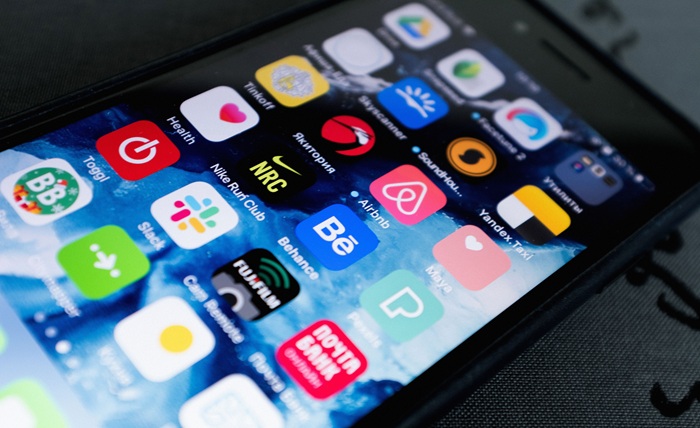
Choosing between Android and iOS for your first app launch depends on three things: where your target users are, how your app will make money, and how much development and testing your budget covers. Launching on one platform first lets you test your idea with real users, fix problems early and spend less before you know the app works.
Here’s how to weigh each factor and make the call with confidence.
Start With Where Your Users Are
Android runs on far more phones worldwide. StatCounter’s market data has shown Android holding roughly 70% of the global mobile market for years, with iPhone making up most of the rest.
The global picture hides big regional differences:
- iPhone is strong in markets such as the United States, the United Kingdom, Japan and Australia.
- Android dominates in markets such as India, Brazil, Indonesia and much of Africa and Southeast Asia.
Before you decide, check the current market share for the specific countries you’re targeting. If most of your potential customers carry one type of phone, that platform is your answer.
Follow the Money
Your business model matters as much as your audience size.
- Paid apps, subscriptions and in-app purchases: industry research from firms such as Sensor Tower has consistently shown App Store users spending more on apps than Google Play users, even though there are fewer iPhones. If your app earns money directly from users, iOS often gets you to revenue faster.
- Free, ad-supported apps: reach matters most here, and Android’s larger user base gives you more people to serve ads to.
- Apps that support an existing business, such as a booking or loyalty app, should match the phones your current customers already use.
Compare the Build and Testing Effort
The two platforms ask for different kinds of work.
Apple makes a relatively small number of iPhone models, and most users update to the latest iOS version quickly. That keeps testing focused. iOS development requires a Mac running Xcode, Apple’s development tool.
Android runs on thousands of devices from Samsung, Google, Xiaomi, Motorola and many others, in every screen size and price range. Your app needs testing across a representative set of these phones, especially the budget models your users may own. Android development runs on Windows, macOS or Linux using Android Studio.
This is where an experienced team saves you time. Specialists in iOS app development services know Apple’s design guidelines and review process, which helps your first submission get approved. A focused Android app development team knows which devices to test on and how to keep performance smooth on older and lower-cost phones.
Know the Store Rules
Publishing comes with costs and requirements on both sides:
- Developer accounts: Apple’s Developer Program costs $99 per year. Google Play charges a one-time $25 registration fee.
- Commission: both stores take a cut of digital sales. Apple’s Small Business Program and Google Play’s standard terms set a 15% rate on a developer’s first $1 million in annual earnings, with higher rates above that for most businesses.
- Review: every app goes through review before it goes live. Apple’s review tends to be stricter about design, privacy and functionality, so build in time for possible change requests.
- Testing requirements: newer personal developer accounts on Google Play must run a closed test with real testers before they can publish to the public, so plan this into your Android timeline.
When to Launch on Both at Once
Sometimes picking one platform loses you too many customers. Launch on both from day one when:
- Your users are split fairly evenly between iPhone and Android
- Your app connects two sides of a market, such as drivers and riders, and both sides use different phones
- A competitor already serves both platforms
In these cases, cross-platform frameworks such as Flutter or React Native let one team build a single codebase for both stores, which keeps the cost of a dual launch under control.
A Quick Decision Guide
- Targeting the US, UK or Australia with a paid or subscription app: start with iOS.
- Targeting India, Brazil or Southeast Asia, or relying on ads: start with Android.
- Building for existing customers: match the phones they already use.
- Serving a split audience or a two-sided marketplace: launch on both with a cross-platform build.
Final Thoughts
The best first platform is the one your paying users already hold in their hands. Check the market data for your target countries, match the platform to your revenue model, and plan the testing work each one requires. Launch, learn from real users, and expand to the second platform once the first one proves the idea works.