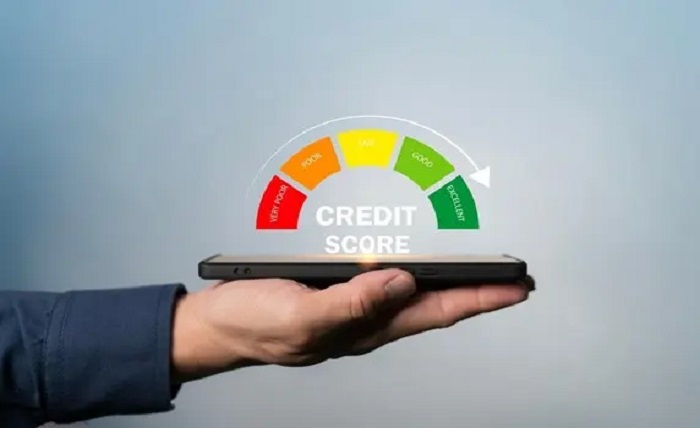
Obtaining a short-term loan can be a quick and effective way to handle immediate financial needs. However, to ensure that the process doesn’t negatively impact your credit score, careful management is essential. Strategies for repaying a short-term loan without damaging your credit score not only focus on payment but overall financial responsibility. If you are considering loans from Fast Loan UK, understanding these repayment strategies can significantly aid in maintaining, or even improving, your credit score.
Understand Your Loan Terms
Before you commence the repayment process, it is crucial to fully understand the terms of your loan agreement. This includes the interest rate, repayment timeline, and any associated fees. Knowing these details allows you to plan your repayments effectively and avoid any surprise charges that might affect your ability to make timely payments. Being well-versed with your loan’s terms empowers you to manage your budget and ensures that you’re meeting your financial obligations without overextending yourself.
Create a Realistic Repayment Plan
Once you’ve familiarised yourself with your loan terms, the next step is to create a realistic repayment plan. List your monthly income and expenses to determine how much you can allocate towards loan repayment. A well-planned budget can help you remain on top of your repayments and prevent missed payments, which are crucial in protecting your credit score. Consider setting up automatic payments to ensure you never miss a due date.
Cut Unnecessary Expenses
To bolster your repayment plan, examine your existing expenses and determine which ones can be reduced or eliminated. Cancel subscriptions you rarely use, dine out less often, and prioritise essential spending. Diverting these funds towards your loan repayment can make a significant difference, speeding up the repayment process and potentially saving you money on interest. Additionally, it reflects a commitment to both your financial health and upholding your credit score.
Communicate with Your Lender
If you find yourself struggling to meet your repayment commitments, open communication with your lender is key. Most lenders are willing to work with borrowers who demonstrate genuine willingness to repay. They may offer you temporary alternatives, such as extending the repayment period or adjusting the payment amounts, allowing more breathing room in your finances. Honest communication helps maintain a good relationship and can prevent negative marks on your credit report.
Monitor Your Credit Report
Regularly monitoring your credit report is a proactive way to ensure your short-term loan is not negatively affecting your credit score. Accessing your report lets you verify that payments are being reported correctly, helping you spot any discrepancies early. It also provides insight into other factors that might be influencing your credit score, ensuring that your overall financial standing is being accurately reflected. Regular reviews empower you to take corrective actions before any issue becomes consequential.
Successfully managing a short-term loan requires diligence and organisation. By understanding your loan terms, creating a solid repayment plan, cutting unnecessary expenses, communicating openly with your lender, and monitoring your credit report, you can repay a short-term loan without adverse effects on your credit score. Implementing these steps will not only help you manage your current loan effectively but also support your long-term financial health and creditworthiness.