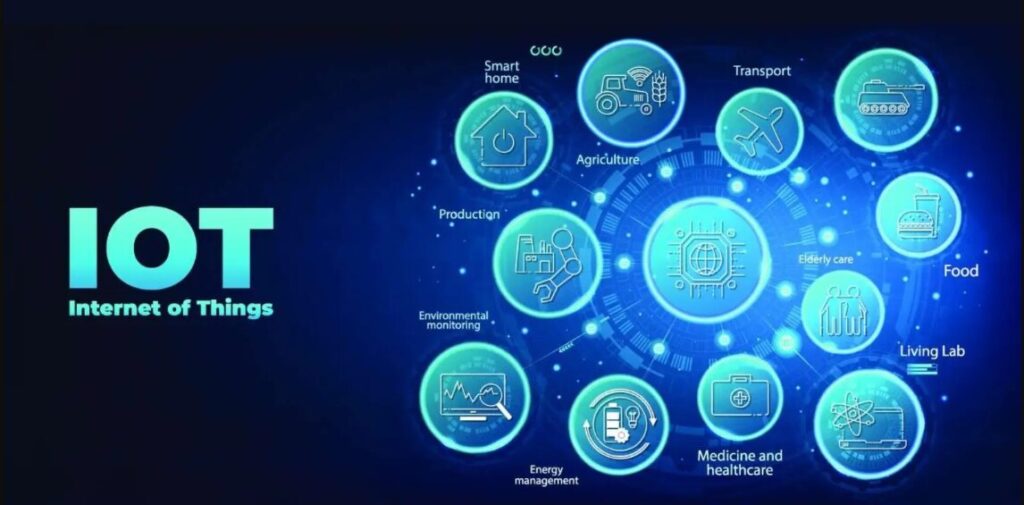
Think of everyday objects that don’t just work-think, sense, and respond on their own. From smart homes that reduce energy waste to farms that use only the water they need, IoT devices transform how the world operates.
IoT devices are the physical objects embedded with sensors, software, and internet connectivity, which let them collect and share data automatically. Such data exchange allows for better decision-making, enhancing efficiency and decreasing the consumption of resources for smart homes, businesses, and industries. As the connected systems keep growing, knowledge about IoT devices, types, and benefits, and their environmental impact, has assumed greater significance.
How IoT devices Work
IoT devices work by collecting current data from their surroundings and sending it on the internet for processing and analysis. Based on this, a system might send automated triggers with no human interference whatsoever: adjusting the temperature, monitoring health metrics, and keeping energy efficiency in check.
Early connected machines laid the foundation for the IoT of today. With better connectivity, cloud platforms, and intelligent data processing, IoT devices can be much faster, smarter, and more scalable today.
Key Components of IoT devices
At the heart of any IoT device, there are a few key components.
Sensors and actuators:
These sensors collect data about temperature, motion, humidity, or any change in pressure. Further, actuators act on this data automatically by performing functions like opening valves, switching devices on/off, adjusting systems, etc.
Connectivity Options:
IoT devices for various applications communicate over different networks:
- Wi-Fi for homes and offices
- Bluetooth for wearables and short-range devices
- LoRaWAN for long-distance and low-power applications
Data Processing:
Data either goes to the cloud for extensive processing or results from edge computing, which allows fast and local decision-making. This guarantees effectiveness, speed, and dependability.
Types of IoT devices
IoT devices are divided based on their method and location of operation. Each of the device types has a role in enhancing efficiency and reducing waste.
IoT consumer devices
These devices are normally used at home and in personal settings.
- Smart thermostats efficiently manage heating and cooling to minimize energy consumption.
- These wearable devices monitor health and fitness in real time.
- Smart speakers use voice-controlled automation.
- Connected appliances monitor for early problems to reduce maintenance and waste.
Industrial IoT devices
Devices with IIoT technology are also in factories, logistics, and infrastructure.
- Sensors constantly monitor machinery to avoid failure and reduce downtime.
- Asset tracking systems optimize the routes of transportation and fuel use.
- Autonomous systems add safety and efficiency in operations by reducing energy costs.
loT devices: Environmental and Specialized
These devices are oriented towards environmental monitoring and sustainability.
- Soil moisture sensors help farms conserve water.
- Air quality monitors in the city track pollution levels.
- Renewable energy systems that maximize solar and wind output.
Benefits of IoT devices
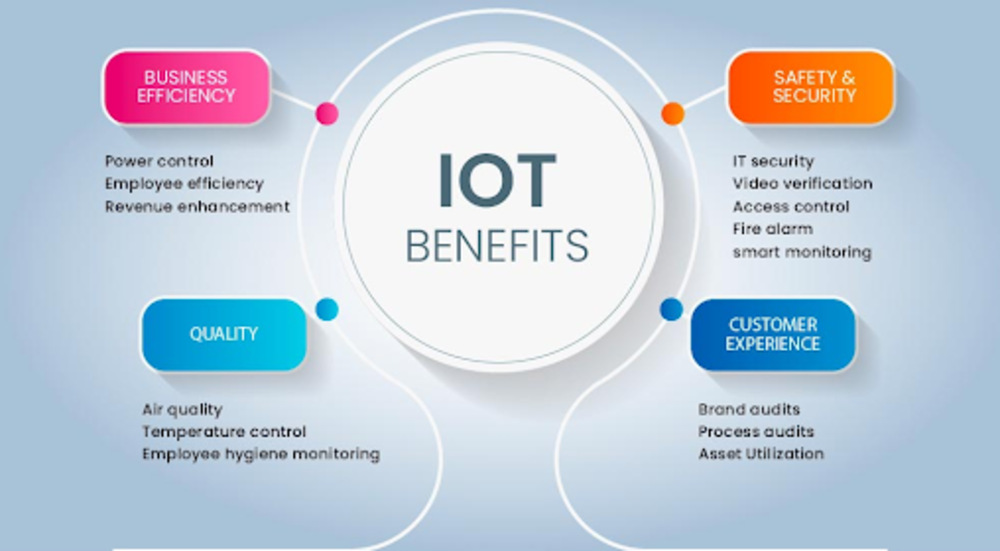
IoT devices are about much more than convenience; they allow smarter, data-driven, sustainable practices.
- Efficiency & Cost Savings: Automation decreases the amount of manual effort and operational costs. Predictive maintenance reduces equipment failure incidents, while smart energy systems cut utility costs.
- Data-Driven Insights: Real-time information will help an organization make informed decisions. In healthcare, remote monitoring cuts down on unnecessary visits, while smart routing in transportation reduces fuel consumption and resulting emissions.
- Enhanced Sustainability: IoT devices support sustainable systems through the reduction of waste, conservation of resources, and energy efficiency in buildings, supply chains, and industries.
Best Practices for Implementation of IoT Devices
IoT requires planning and scalability for its successful implementation.
Planning and Selection
- Clearly defined goals: energy savings, tracking of assets, etc.
- Only use secure and compatible devices
Integration & Security
While IoT devices offer many benefits, IoT security is a critical consideration, as vulnerabilities in connected systems can expose devices to attacks and data breaches.
- Integrate the devices into existing systems gradually.
- Encrypt data and make regular updates.
- Test solutions before full deployment
Scaling with Sustainability in Mind
- Use only low-power and energy-efficient appliances.
- Consider renewable-powered IoT solutions.
- Expand systems intelligently to sustain long-term productivity.
Environmental Impact of IoT Devices
If applied judiciously, IoT technology contributes a great deal toward protecting the environment.
Positive Contributions
- Precision agriculture decreases unnecessary water and fertilizer waste.
- Industrial monitoring reduces emissions and pollution.
- Optimization of renewable energy boosts clean energy production.
Challenges and Solutions
Growth in the connected devices can add to electronic waste. Durable devices, promoting recycling, and extending a product life cycle ensure environmental impact reduction.
Future Trends in IoT Devices
IoT technology keeps evolving with smarter and more efficient innovations.
Emerging Technologies
- Artificial Intelligence allows for predictive automation.
- Faster networking enhances real-time communications.
- Edge computing improves performance and reduces latency.
Sustainability-focused innovations
In the future, IoT systems will increasingly be designed with energy efficiency, behavioral insights, and environmentally responsible design that ensures long-term sustainability.
FAQs
What is an IoT Device?
An IoT device refers to any of several physical devices that have network connectivity, sensors, or actuators, automating data collection and dissemination.
What are the main types of devices in IoT?
The main categories include Consumer IoT, Industrial IoT, and Environmental IoT devices.
How do IoT devices benefit the environment?
They reduce wastage in resources, optimize the usage of energy, and reduce emissions through automation and data analysis.
Are loT devices secure?
Yes, when proper security measures using encryption, updates, and secure networks are utilized.
Conclusion
IoT devices are not just intelligent tools but key building blocks that constitute an effective, connected, and sustainable system. From homes and industries to agriculture and environmental monitoring, IoT technology makes it possible to make better decisions, reduce costs, and ensure responsible resource utilization. Through strategic and secure deployment of IoT devices, individuals and organizations can ensure long-term benefits while contributing toward a greener future. As connectivity and automation continue to spread their wings, IoT devices will remain at the heart of intelligent and eco-conscious innovation.