You’re at a café, airport, or hotel, connected to “free” Wi-Fi. Cybercriminals can intercept your emails, passwords, or banking details in mere seconds. Public Wi-Fi attacks rose by 42% in 2024, and recent cybersecurity reports show the threat continues to grow with no signs of slowing down. That is where a secure VPN becomes non-negotiable.
What is a secure VPN?
It builds an encrypted, private tunnel between your device and the internet. Your real IP address vanishes. Your data is protected by military-grade 256-bit AES encryption and state-of-the-art protocols like WireGuard and OpenVPN—the same technology used by banks, governments, and global corporations. In today’s threat landscape, where headlines show AI-powered hacking tools and mass data leaks, a reliable and secure VPN is your first, and thus strongest, line of defense.
Why Choose a Secure VPN? Key Benefits Unveiled
Your online life is under attack. A good VPN fights back — and wins. Here are some of the biggest reasons to use one daily:
- Total privacy: Hides your IP from ISPs, advertisers, and governments.
- Bank-level security – Encrypts everything on public Wi-Fi (cafés, hotels, airports)
- Beat throttling: Stops your ISP from slowing down Netflix or gaming
- Unlock the world: Access geo-blocked shows, sports, and news.
- Safe torrenting & streaming — no logs, no speed caps, no worries
- Remote work superpower – Connect as if you’re in the office – securely
- 90% less tracking — Real studies show VPNs crush ad targeting
- Peace of mind — log in to banking or go shopping anywhere without fear.
How Secure Is a VPN? We Break Down the Tech
Not all VPNs are created equal. Here’s what actually keeps you safe:
- 256-bit AES encryption (military-grade)
- Independently audited no-logs policy
- Automatic kill switch (cuts internet if VPN drops)
- DNS and IPv6 leak protection
- Modern protocols: WireGuard (fast) or OpenVPN (bulletproof)
- Avoid: Free VPNs that sell your data or leak DNS
The bottom line is that a premium secure VPN is one of the most powerful privacy tools you can possess.
Top VPNs Spotlight: Turbo VPN – Secure VPN Proxy, Norton, and AVG

Choosing a secure VPN doesn’t have to be confusing. Here are the three most talked-about options broken down simply and honestly:
Turbo VPN – Secure VPN Proxy
- Great for beginners and casual streaming.
- 256-bit AES encryption + automated kill switch
- Blazing-fast on nearby servers, up to 80% speed retention.
- Great for quick Netflix unblocks and mobile use.
- Downsides: No independent no-logs audit, free version is heavy on ads → Best if you just want something simple and free to try.
Norton Secure VPN
- Comes bundled with Norton’s world-class antivirus
- Rock-solid IP hiding, plus a kill switch for Windows and Android
- ~74% speed retention, which is excellent for daily browsing
- Built-in Ad Tracker Blocker and zero leaks in testing
- Limited server locations and slower for torrenting → Best for everyday users who already trust Norton
AVG Secure VPN
- Top choice for a secure VPN on the PC
- DNS leak protection + smart split-tunneling
- Obfuscation to beat strict networks (work/school)
- Unlimited simultaneous devices – family-friendly
- Lacking perfect forward secrecy; past logging concerns → Best for power users who want fine control on Windows
Quick Comparison
| Feature | Turbo VPN | Norton Secure VPN | AVG Secure VPN |
|---|---|---|---|
| Encryption | 256-bit AES | AES-256 | 256-bit AES |
| Kill Switch | Yes | Yes (Win/Android) | Yes |
| Speed Retention | High (nearby) | ~74% | Strong local |
| No-Logs Policy | Claimed (unaudited) | Audited | Claimed |
| Best For | Beginners | Everyday Reliability | PC power users |
Pro Tip: Combine any of these, particularly Norton, with native threat protection that wards off malware and phishing even before it makes it to your browser.
How to Set Up and Optimize a Secure VPN for PC
PCs are breach magnets: Windows exploits spike 25% yearly. That’s why a secure VPN for PC demands heavy hitters like Norton Secure VPN or AVG Secure VPN. They patch gaps with encryption that laughs at keyloggers.
Why zero in on PCs? Desktops handle sensitive loads—finances, work files—yet lag mobile in auto-updates. A VPN bridges that, encrypting from boot-up.
Step-by-step setup? Breeze through it:
- Download wisely: Download from official sites only: norton.com or avg.com. Avoid third-party traps.
- Install and run: Run the .exe; give permissions. The auto-configs kick in.
- Enable kill switch: Flip it on in settings—your net freezes sans VPN, no leaks.
- Choose protocol: WireGuard for speed/security sweet spot, OpenVPN for ironclad walls.
Pro tips elevate basics:
- Split-tunnel smarts: Only tunnel high-risk applications—say, email—and free up bandwidth for local gaming.
- Leak test ritual: Hit ipleak.net post-setup. Zero surprises.
- Power user custom configs: If on crowded nets, MTU tweak to 1400; enable PFS if available.
Standout edge: The defaults work, but with tweaks such as auto-connect at startup, the PC becomes a roving fortress. With remote work booming, this cuts exposure by 70%. Glitchy Cisco users, hold on—we’ve got fixes ahead.
Want to grow your digital skills too? Check out our article: “Learn Web Development: Top Skills, Careers & Industry Trends.”
Troubleshooting: Why Cisco Secure Cloud VPN Slows SMB
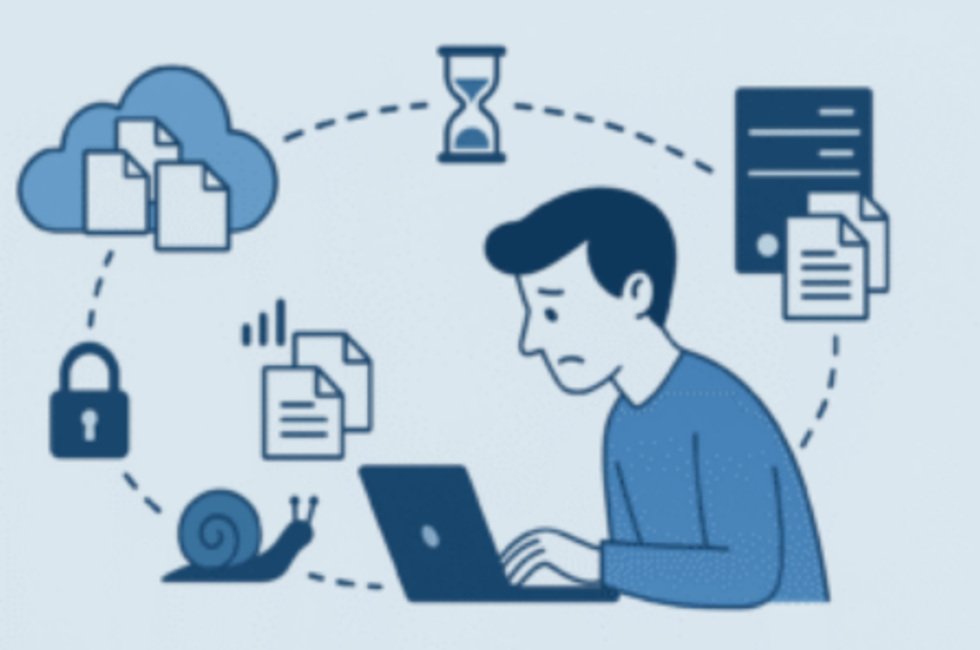
SMB traffic slows down primarily because of:
- Latency Overhead – VPN encryption adds latency. Since SMB depends on a constant back-and-forth request–response style of communication, the addition of only 20–40ms latency can greatly reduce file transfer speeds.
- Encryption load – Many Cisco tunnels make use of IPsec, which adds packet overhead and increases CPU usage; all this extra processing makes SMB slower in comparison to lightweight protocols.
- MTU Mismatch – If the MTU size is too large, packets fragment across the VPN tunnel. Fragmentation causes retries, which lowers throughput and creates unstable SMB performance.
Conclusion
Secure VPNs aren’t gadgets—they’re lifelines weaving privacy, speed, and smarts into your day. Choices run from the easy entry of Turbo VPN – secure VPN proxy and rock-solid reliability with Norton Secure VPN to the PC prowess with AVG Secure VPN. Conquer the slow of Cisco Secure Cloud VPN with SMB woes, and you’re unstoppable.
How secure is a VPN?
Hands—unbreakable. What is a secure VPN? Your ticket to fearless browsing. Pick your match—trial one today. Your data’s waiting for the upgrade.
FAQs
What is a Secure VPN?
It is an IP-masking tool with encryption, channeling your traffic through a protected tunnel and effectively masking your online moves from ISPs and hackers. Perfect for safe browsing on any device.
Just how secure is a VPN?
Super secure when specced right: with AES-256 encryption, audited no-logs, and kill switches. Skip the freebies; they leak like sieves. Top protocols like WireGuard seal the deal.
Best secure VPN for PC?
Norton Secure VPN or AVG Secure VPN hit the nail on the head: leak-proof, easy installs, and split-tunneling for seamless workflows. Norton edges for bundled antivirus; AVG for device limits.
Is Turbo VPN – secure VPN proxy safe?
Decent for basics like streaming, including AES and a kill switch. But unaudited logs and ad-heavy free tiers set off some flags—stick with paid for real peace of mind.
Why is Cisco Secure Cloud VPN slow with SMB?
Blame latency, encryption drag, and SMB’s delay allergy. Tune MTU, switch protocols to WireGuard, or localize shares—speeds soar 2–3x.
Can secure VPNs bypass throttling?
Absolutely—by masking traffic types, ISPs can’t spot video hogs. Expect 20–50 percent gains on capped plans.